
Hotel Operations
Digital Delivery Notes in Greece: What Hotels Need to Know
This article discusses the Greek regulatory context. Greece is introducing the digital movement of goods in phases, and for a hotel the useful question is a practical one: which goods does the business actually move, and do those movements fall within the applicable rules? What follows is a plain-language overview. It is not legal or tax advice.
By RoomRack Editorial Team ·
Regulatory content last reviewed:
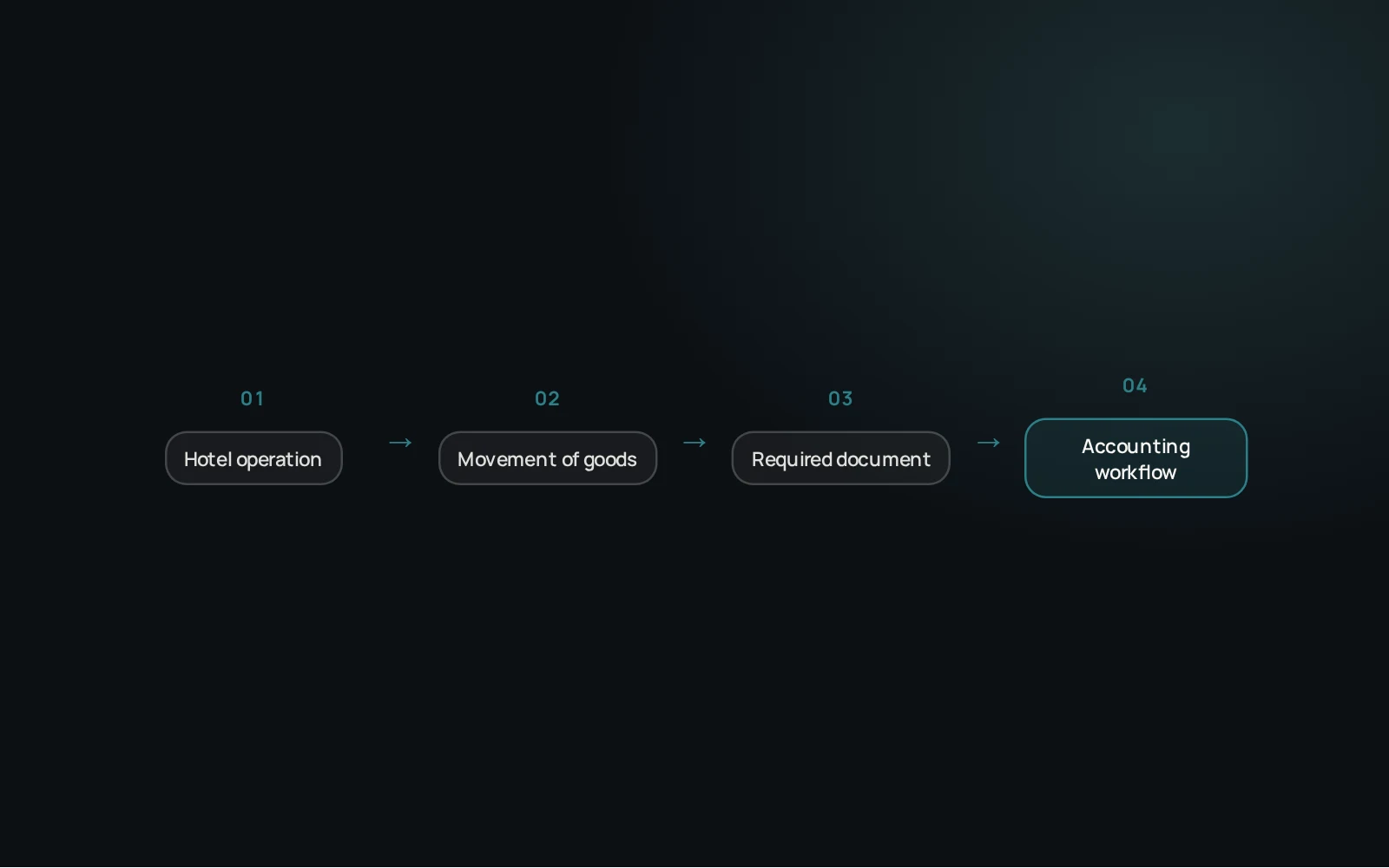
What a digital delivery note is
A delivery note is the document that accompanies goods as they move from one place to another. In its digital form, the details of each movement are recorded electronically and transmitted to myDATA, the platform run by the Greek tax authority (AADE), rather than existing only on paper.
Movement-of-goods records exist to show clearly which goods are moving, from where, to where and why. That supports transparency and makes checks easier.
The current regulatory basis in Greece
The framework rests on decision A.1122/2024, as subsequently amended, including by decisions A.1083/01-04-2026 and A.1094/29-04-2026. Clarifications have been issued in circulars E.2016/03-04-2026 and E.2038/08-07-2026.
Implementation is phased so that businesses and software providers can adapt step by step. According to AADE's 2026 operational plan, transmission of Phase B data to myDATA becomes mandatory from 12 October 2026.
Hospitality services are not movements of goods
A hotel mainly provides services: accommodation, food and drink, extras. Invoicing for those services follows its own rules and is a separate matter from moving goods.
The distinction matters. The delivery-note question concerns situations in which the business physically moves goods, for example between its own premises or to a third party.
Examples that need assessment
The situations below are examples worth reviewing with your accountant. None of them automatically creates an obligation; that depends on the actual facts and on any exclusions that apply.
- Moving stock between two properties or storerooms owned by the same business.
- Transferring minibar or food and beverage goods from a central store.
- Moving equipment, for instance for repair or to another property.
- Sending supplies or other goods to partners or third parties.
What determines whether it applies to you
The applicable obligations depend on the business activity and the actual movement of goods. For advice on your specific circumstances, consult your accountant or tax adviser.
- The entity and its legal form.
- The type of goods being moved.
- The type of movement: internal, to a third party, as part of a sale or not.
- Any exclusions set out in the framework.
- The specific business activity.
Why correct configuration matters
If a business concludes that some of its movements are in scope, its systems need to be set up properly: the right document types, correct sender and recipient details, and a clear process for cancellations and corrections. That set-up is best done with your accountant and software provider ahead of the relevant date, not after it.
The RoomRack perspective
For information on whether a specific workflow is supported by RoomRack, availability should be confirmed for the relevant implementation and available integrations.
Practical guide
Practical steps
- List the movements of goods your property actually makes during the year.
- Separate hospitality services from movements of goods.
- Review that list with your accountant or tax adviser.
- Check with your software provider what your configuration supports.
- Decide who on the team issues, checks and corrects the documents.
Frequently asked questions
Does every hotel in Greece have to issue digital delivery notes?
Not necessarily. It depends on the business, the type of goods, the type of movement and any exclusions that apply. Your accountant can assess your circumstances.
When does Phase B transmission become mandatory?
According to AADE's 2026 operational plan, transmission of Phase B data to myDATA becomes mandatory from 12 October 2026.
Who decides whether a movement of goods needs a delivery note?
That assessment depends on the actual facts of each business. Your accountant or tax adviser is the right person to review your circumstances.