
Direct Revenue & Growth
Seasonal Hotel Campaigns: Planning Offers With Better Timing
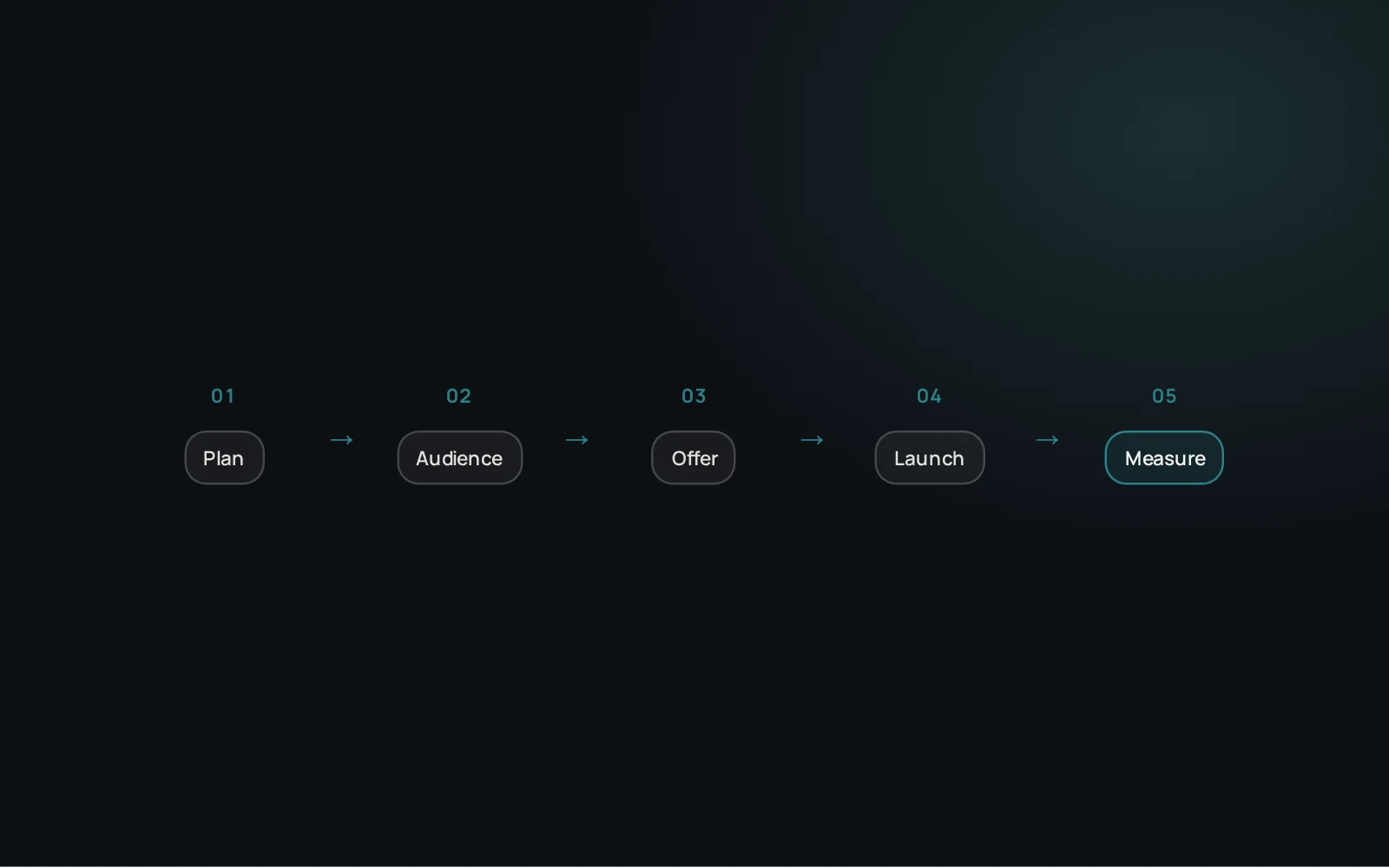
Seasonal campaigns are often put together at the last minute, when most guests have already made up their minds. Timing, a clear offer and consistent communication matter more than the size of the discount. Here is a simple way to organise every campaign in your year.
By RoomRack Editorial Team ·
Start with an annual calendar
Put the periods that matter to your property into one calendar: holidays, long weekends, local events, the start and end of the season, quieter spells. Next to each, note when the offer needs to be ready and when communication should begin.
Campaigns then stop being reactions and become part of a plan the team knows about in advance.
Respect the booking window
Different guests book on different timescales. A family planning a summer holiday usually decides earlier than a couple looking for a weekend away. Look at your own booking data: how far ahead do your guests book for each period? Communication is worth starting before that window opens, not once it has closed.
An offer that makes sense
The strongest offer is not always the biggest discount. Often it is a package that suits the occasion: a festive dinner, a late breakfast, a local experience, a flexible check-out. Think about what would make the stay more enjoyable for that particular guest at that time of year.
Know who you are talking to
A campaign for families, couples or business travellers needs a different message, different images and often different channels. Choose one main audience per campaign rather than trying to speak to everyone at once.
Communication channels
- Website: make the offer easy to find, with clear terms and a direct route to booking.
- Email: to guests who have agreed to receive updates, with a short, specific message.
- Social media: images and stories that show what the season feels like, linking back to your website.
- In person: reception can tell guests who are already staying.
Stay restrictions, where they fit
In busy periods, a minimum length of stay can help you manage availability. In quieter periods, strict restrictions may put guests off. Decide period by period, and make sure the conditions are shown clearly on every channel.
Measure and keep notes
After each campaign, write down what happened: how many bookings used the offer, through which channel, when they started, what guests said. You do not need complex reports. A few notes are enough to plan the same period better next year.
The RoomRack perspective
A Booking Engine on your website makes it easier to present packages and offers for direct booking. Guest Club can help you reach guests who already know you, and Upsell can suggest extras before arrival. These are tools; the plan and the offer remain your team's decision.
Practical guide
Practical checklist
- Build an annual calendar of the periods that matter to you.
- For each period, set a start date for communication based on the booking window.
- Choose one main audience and an offer that is valuable to them.
- Write clear terms and check they match on every channel.
- After the campaign, keep brief notes for next year.
Frequently asked questions
How early should a seasonal campaign start?
It depends on how far ahead your own guests book for that period. Booking data from previous years is the best guide.
Does every campaign need a discount?
No. A package or an extra that suits the occasion is often more valuable to guests than a simple price cut.
Can I email all my past guests?
Only those who have agreed to receive updates, in line with data protection rules.